09.01.2026
How to Effectively Promote Your Online Store’s Referral Program

A referral program is a tool that allows your satisfied customers to become brand ambassadors—recommending your store to friends and bringing you new buyers. This so-called word of mouth works extremely well: according to research, 83% of consumers in the United States make purchasing decisions based on recommendations from friends or family.
For an online store, this means an opportunity to grow with minimal advertising costs. Customers acquired through referrals are not only cheaper to attract, but they also tend to be more loyal and more profitable in the long term.
However, simply creating a referral program is not enough. To achieve real results, you must actively promote it across your existing marketing channels. After launching a referral program, significant effort is required to inform as many potential advocates as possible.
Make sure the program itself is attractive (for example, the reward should be valuable and two-sided—for both the referrer and the invited friend). Then, use the tips below to promote it effectively.
1. Make Your Referral Program Visible on Your Website
Start with your website. Visitors should immediately understand that you have a referral program. Create a dedicated landing page that clearly explains the program’s terms and benefits, and make it easily accessible through your site navigation.
For example, you can add a link in the footer such as “$10 for a referral” or place a dedicated block on the homepage highlighting the program.
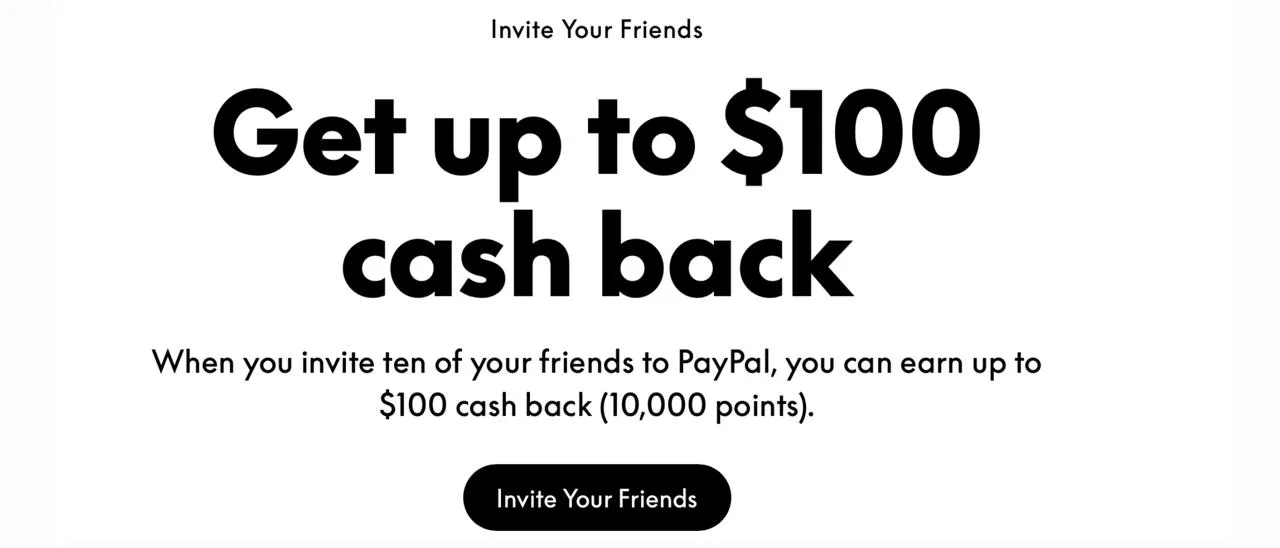
Many brands also integrate referral information into the customer account area. In addition, consider using a popup banner or widget to inform every visitor about the program.
The key is simple: customers should be able to find your referral offer easily at every stage of their journey on your website.
2. Promote the Program Through Email Campaigns
Email marketing is one of the most effective channels for promoting a referral program because it enables direct and personalized communication with your customer base.
First, send a dedicated email announcing the launch of your referral program. Clearly explain the benefit for both the referrer and their friend, and include a prominent call-to-action button such as “Invite a Friend” with the reward clearly stated.
Second, integrate referral reminders into your regular newsletters—for example, a short success story or a simple reminder to use a referral code.
Third, use transactional emails (order confirmations, shipping notifications, etc.) for subtle promotion. Even these functional emails can include a short line about earning a reward for referrals.
For example, the fintech company KOHO includes a referral reminder in every order confirmation email, keeping the offer visible without being intrusive.
Every email sent by your team is an opportunity to mention the referral program. Some companies even include a referral link in their email signatures. The key is consistency and variety—regularly reminding customers that they can earn rewards by recommending your store.
3. Use Social Media to Spread the Word
Your social media channels are an excellent way to draw attention to your referral program. Create posts and stories explaining how the “Refer a Friend” offer works and highlighting the benefits for participants.
You can pin a post to your profile or run a series of reminders about the referral reward. Consider targeted ads as well—for example, showing referral ads to existing followers or customers to reach a highly relevant audience.
Adapt your approach to each platform:
- Use visual Instagram Stories to encourage sharing referral codes
- Use short, clear updates on X (Twitter) for quick reminders or announcements
Encourage customers to share their experiences and referral links on social media. You can also create a branded hashtag or run a small contest—for example, rewarding users who invite a friend and share the referral publicly.
Social proof and virality on social platforms can significantly expand the reach of your referral campaign with minimal cost.
4. Remind Customers at Moments of Peak Satisfaction
Timing is critical. The best moment to ask a customer to refer a friend is when they are most satisfied with your product or service.
A classic example is right after a successful purchase. Once the customer completes their order, show a message such as:
“Share with a friend and get a reward.”
This could be:
- A dedicated “Thank you for your purchase” page
- A banner on the order confirmation screen
- An automated follow-up email sent a few days after delivery
These triggers during moments of high satisfaction are especially effective.
Similarly, if you run a loyalty program or track customer engagement, use milestones. After a positive review, a certain spending threshold, or achieving VIP status, thank the customer and invite them to share your brand with friends in exchange for a bonus.
Many successful companies integrate referral prompts into these moments using in-app messages or emails. This approach feels natural and friendly—not like advertising—because it appears right after the customer has received value.
5. Simplify and Incentivize the Referral Process
People are far more likely to participate in a referral program if it requires minimal effort. Your goal is to make sharing as easy as possible.
First, provide each participant with a clear, unique referral link or code that can be copied and shared instantly.
Clearly explain how the referral works and what the invited friend needs to do (for example, sign up or make a first purchase) for both parties to receive the reward.
Our Afivio service allows users to import contacts and send invitations to many people at once. While this can be very effective, even a simple “Copy link” option works well if it is visible and intuitive.
Finally, clearly communicate rewards and progress. On the referral page or in the user dashboard, show:
- The reward for the referrer and the friend
- How many friends have already been invited
- What rewards have been earned
This transparency motivates users to stay engaged. Seeing messages like “You’ve invited 2 friends—invite 1 more to earn a $10 discount” encourages continued participation.
The fewer the barriers and the stronger the motivation, the faster your referral program can become truly viral.
6. Use Dedicated Referral Marketing Tools
To manage and promote your referral program efficiently, use modern tools and software solutions. For small businesses, automation is especially valuable—it saves time and improves the experience for both you and your customers.
Use the Afivio platform , which integrates easily with any online store. Afivio provides full referral functionality, including:
- Unique referral links
- Click and conversion tracking
- Automatic commission rewards for both parties
You also gain access to analytics, allowing you to track how many referrals you receive and identify your most active brand advocates.
While manual tracking (for example, using promo codes and spreadsheets) may work initially, it quickly becomes difficult to scale. Specialized referral marketing software simplifies administration—including reward payouts—and helps you plan promotional campaigns from day one.
In short, automation frees you from routine tasks and allows you to focus on what matters most: motivating customers to share your brand.
Conclusion
A referral program can be a powerful growth driver for your business—but its success depends on how effectively you communicate its value.
Increase visibility across your store, leverage email and social media, choose the right moments for reminders, simplify participation, and implement modern automation tools.
Remember: a well-designed and actively promoted referral program turns satisfied customers into passionate brand advocates. And each advocate can bring dozens of new customers—fueling sustainable, organic growth and building a loyal community around your store.
Good luck with launching and promoting your referral program!
Ready to launch your referral program?
Also read:
- How to Set Up a Referral Program for E-commerce Business
- Why Brands Should Build Their Own Partnership Ecosystem
- How to Build Your First Referral Program
- Partnership Marketing in 2026: Afivio’s All-in-one Platform for Referral, Affiliate & Influencer Programs
- How to Reduce Customer Acquisition Cost (CAC) with a Referral Program